Publish date: 31 March 2026
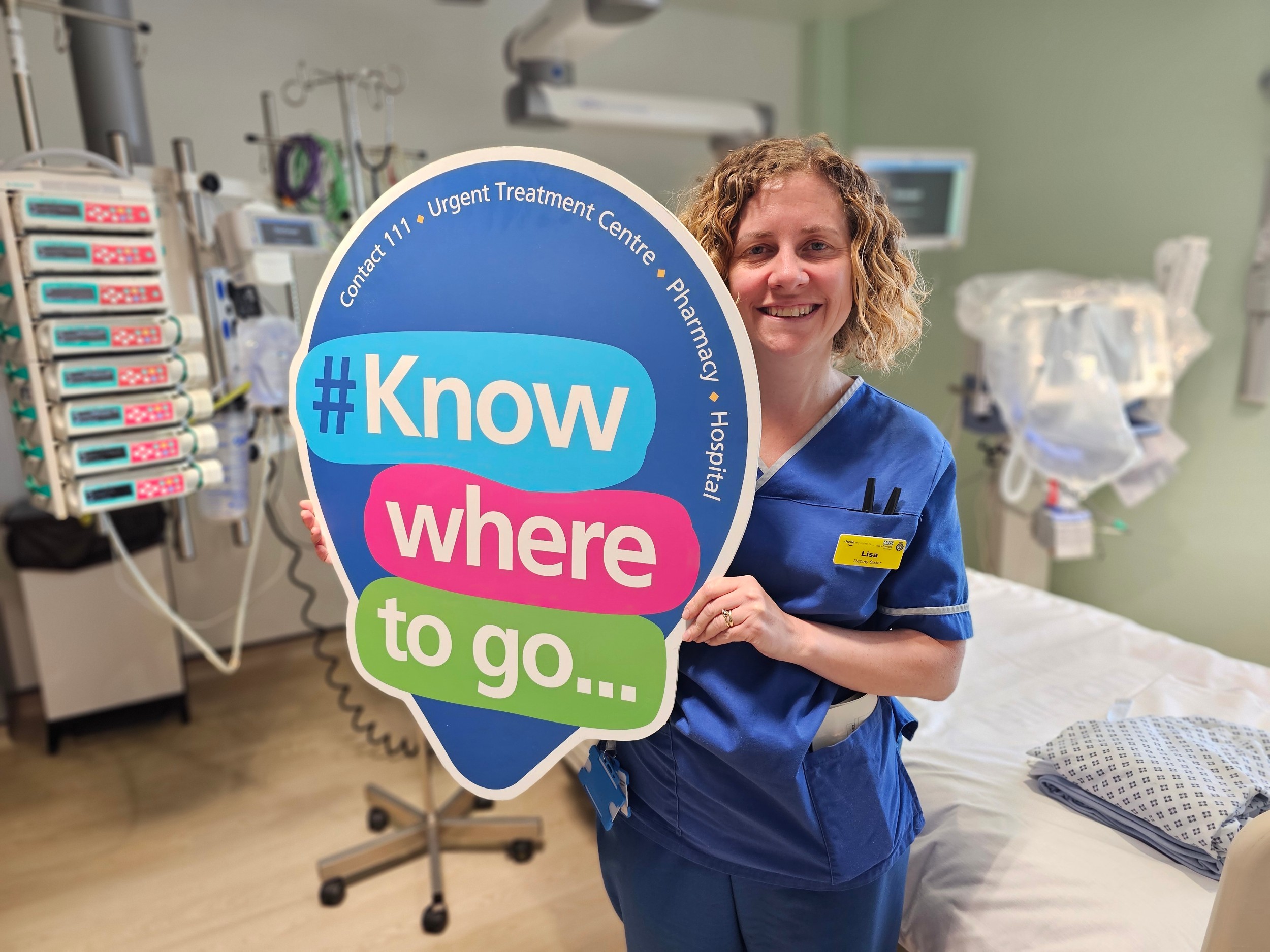
Ahead of what we expect to be a busy Easter Bank Holiday weekend and planned industrial action by resident doctors next week, teams at Isle of Wight NHS Trust are urging Islanders and visitors to do what they can to plan ahead and ensure they Know Where to Go for urgent medical help and advice.
Bank holidays are typically busy for urgent and emergency care services, so making sure you know how to access urgent, but non-emergency care, reducing pressure on our ambulances and emergency department, will help keep these services free for those facing an emergency.
Emergency departments are for life-threatening injuries and illnesses, and if you have an urgent concern that can’t wait until your GP practice reopens after the bank holiday, a range of services including NHS 111 and community pharmacy remains available to you.
Steve Parker, Medical Director, said:
"We hope everyone has a safe and enjoyable bank holiday weekend, but if you do need urgent medical advice or treatment, it’s important to know where to go so you can get the right care quickly.
“We know that people are sometimes unsure which service to use, and this can lead to attendances at our Emergency Department that should be seen elsewhere. It is vital that we keep our Emergency Department free for those who need emergency, lifesaving care.
“For non-life-threatening conditions, NHS 111 online or by phone should be your first step, while local pharmacies can also offer expert advice and treatment if you’re feeling unwell.
“For support around long-term health conditions, your GP team remains the best place to discuss your ongoing care, diagnosis, and any referrals. Our Urgent Treatment Centre also remains open over the bank holiday and can be accessed by contacting NHS 111 who can make a referral where appropriate, reducing the time you wait.”
If you take regular medication, don’t forget to order any repeat medication ahead of the bank holiday. You can do this quickly and easily through the NHS app or visiting your GP practice for further information.
Rosie Jones, Head of Nursing for Urgent and Emergency Care, said:
“Bank holidays are often extremely busy for hospitals and urgent care services.
“Over the Easter weekend, St Mary’s Hospital regularly sees a surge in people attending the Emergency Department, including those who could be treated more quickly and appropriately by other NHS services. Many common childhood illnesses, such as colds, stomach bugs, scrapes and grazes, can be safely managed at home.”
Common conditions you can manage at home
Many common illnesses and minor injuries can be treated at home or with advice from NHS services:
- Coughs and colds are usually mild and can be managed with rest and fluids.
- Fever (high temperature) is a natural response to infection. Use children’s paracetamol or ibuprofen as needed.
- If a child under 3 months has a temperature over 38°C, seek medical advice.
- If a child over 3 months has a temperature above 39°C, seek medical advice.
- Sore throats are often viral and can be soothed with warm drinks and honey (for children over one year old).
- Ear discomfort often follows coughs and colds and usually clears up on its own. Pain relief can help.
- Upset stomachs – make sure your child drinks plenty of fluids and encourage regular handwashing to prevent germs spreading.
- Scrapes and grazes should be cleaned and covered with a plaster or dressing to help prevent infection.
Be prepared
Make sure your first aid kit is well stocked ahead of the bank holiday, so you have essential items to hand.
Choose the right service
- Use NHS 111 online or call 111 for urgent medical advice if you’re not sure what to do.
- Visit a pharmacy for advice and treatment for minor illnesses. Some can even provide medication for seven common conditions without the need for a visit to your GP.
- Urgent Treatment Centre – the UTC at St Mary’s Hospital is open from 8am to midnight 365 days a year. You can access it by contacting NHS 111 who can arrange a referral to the service if appropriate.
- Contact your GP for ongoing conditions that can wait until the surgery reopens.
- Use an Emergency Department only for life-threatening conditions.
Pharmacies are a convenient option for minor illnesses, and many will be open over the bank holiday weekend.
For more information on accessing the right medical care, visit our Know Where To Go webpage >>