Publish date: 13 February 2026
It can be difficult to imagine how hard it is to receive a call saying that a loved one has had a cardiac arrest or you need to give Cardiopulmonary resuscitation (CPR) while waiting for an ambulance to arrive. The impact it has on those who survive cardiac arrest shouldn’t be underestimated, and thanks to a national grant and the staff at Isle of Wight Ambulance Service, the experience of those living it is set to improve.
The Small Island, Big Heart project is managed by Isle of Wight Ambulance Service and supported by national funding. The project builds on the work already taking place to improve survival rates by increasing access to CPR training and Public Access Defibrillators (PADs) in the community, as well as further supporting survivors, co-survivors and bystanders following cardiac arrest through the Isle of Wight Ambulance Life After Cardiac Arrest (LACA) network.
LACA has been supporting people across the Island for some years now, connecting individuals who want to share their experience with someone who has been through the same type of event. Through the Small Island, Big Heart project, we are looking to further develop the network, raising awareness of it giving hope and support to those who most need it.
For Guy Churchill it was a normal morning as he left home to take part in the Parkrun at Appley Park. Around 1km into his run, Guy collapsed and some nearby runners started CPR while someone else went to get a defibrillator. He was shocked twice before the ambulance arrived and took him to Portsmouth via hovercraft. Guy remembers nothing of what happened from the time he said goodbye to his wife in the morning until 48 hours following his cardiac arrest.
Guy said, “I was lucky to stay in touch with a fellow patient who had the same surgery on the same day. We have been able to compare aches and pains and any symptoms we have experienced. Around three months after leaving hospital, Louise from LACA contacted us to not only check in on how I was doing but ask whether my wife would like some support to.
“It was nice to have a caring voice asking if we were ok and I feel that this contact has been very beneficial, as without it, we would have felt very alone.”
Louise Walker, Head of Education and Community Response at IWAS, said, “Having the privilege of working with cardiac arrest survivors is something I am incredibly grateful for. You know we are making a real difference when you have survivors and their loved ones saying how important it was for them to have access to this group. To anyone going through this, please remember there is support out there and you are not alone.”
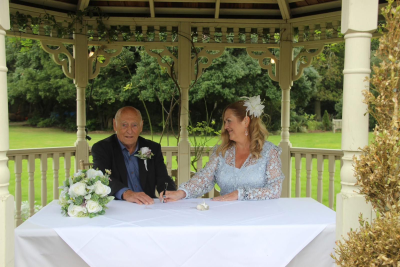
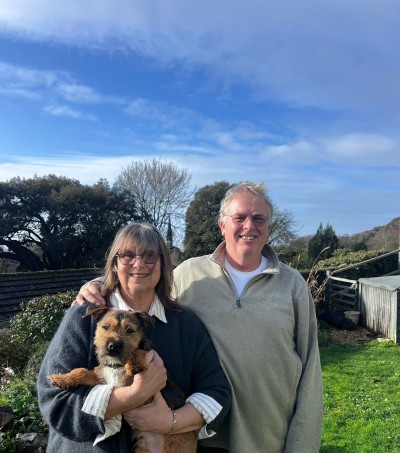
One couple who understand the value of the group is Gwen and her now-husband Bob. While Valentine’s Day means a lot to many couples, for them, it is more special than most, marking three years since Bob collapsed at home and Gwen began CPR. Thanks to Gwen’s quick action and the team who cared for him, Bob survived and after 25 years together, finally popped the question. They were married three months later.
Gwen added, “It’s hard for people to understand that you watched your loved one die, but the LACA group showed me that I wasn’t alone. Family and friends were incredibly supportive and caring, but they didn’t get it like those in the group do. As co-survivors, we need information to make sense of what happened too and help separate the emotion from the facts. We still have tears and low moments because the shock never leaves you, but I really believe it’s important to seek out others who have also lived through the same experience.”
If you are interested in finding out more about the LACA network, visit our website: www.iow.nhs.uk/LACA
More information
- Small Island, Big Heart received funding thanks to a successful bid by Isle of Wight NHS Trust Charity, who support Isle of Wight NHS Trust.
- The project received a £97,305 grant by the Community Resilience Grants Fund from NHS Charities Together, thanks to a successful partnership with Omaze.
- The Community Resilience Grants Fund is part of a wider Community Resilience Programme, delivered in partnership with NHS Charities Together, the Association of Ambulance Chief Executives (AACE), NHS ambulance trusts and charities and other partners across the voluntary sector. It aims to help communities to be ready to respond in a health emergency, prevent emergencies from happening in the first place, and reduce pressure on NHS services so they can respond where needed most.