Have you or someone you know been affected by Cardiac Arrest?
Whether you are a bystander, survivor, or co-survivor, if you need support following an out of hospital cardiac arrest please contact us:
- Telephone: 01983 534111
- Email: iownt.
atcors @nhs.net
Our Life After Cardiac Arrest (LACA) group helps facilitate peer support as well as sign posting to additional services and networks.
Together we will help you find the hope and support you need, as there is life after cardiac arrest.
Helpful resources
- Resuscitation Attempt - Sudden Cardiac Arrest UK
- Get Support - Sudden Cardiac Arrest UK
- Sudden Cardiac Arrest UK Effective Peer Support - Sudden Cardiac Arrest UK
Further support
- Support after cardiac arrest | Resuscitation Council UK
- Support if you've given CPR - BHF
- Chain of Survival UK
- Heart Helpline - speak with a cardiac nurse - BHF
Psychological help
Read Gwen and Bob's story
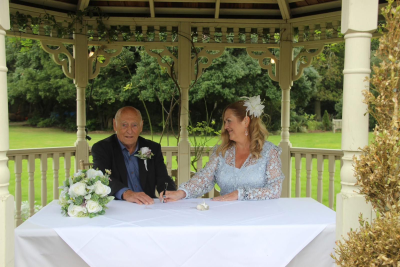
The call handler told Gwen she needed to start chest compressions. Under their guidance, Gwen said it felt like someone else took over in her head as she started CPR. Her message to anyone else feeling scared in that situation is to not worry, don’t feel inadequate – just follow the instructions. Paramedics arrived and worked on Bob for 40 minutes, shocking him five times. The weather was too bad for the air ambulance to land, so Bob was taken to the Emergency Department at St Mary’s Hospital and put in a coma before being moved to ICU. He was then transferred to QA Hospital later that day.
After three weeks in hospital, Bob returned home, but during that time also proposed to Gwen. They were married three months later. Gwen added, “We called it a Celebration of Love and Life. And we’ve kept the same ethos every Valentines Day - love and life, entwined, equally important and precious.”
Gwen feels that the Life After Cardiac Arrest (LACA) support network has been incredibly helpful to her and Bob in different ways. She added, “It’s hard for people to understand that you watched your loved one die, but the LACA group showed me that I wasn’t alone. Family and friends were incredibly supportive and caring, but they didn’t get it like those in the group do. As co-survivors, we need information to make sense of what happened too and help separate the emotion from the facts. We still have tears and low moments because the shock never leaves you, but I really believe it’s important to seek out others who have also lived through the same experience.”